


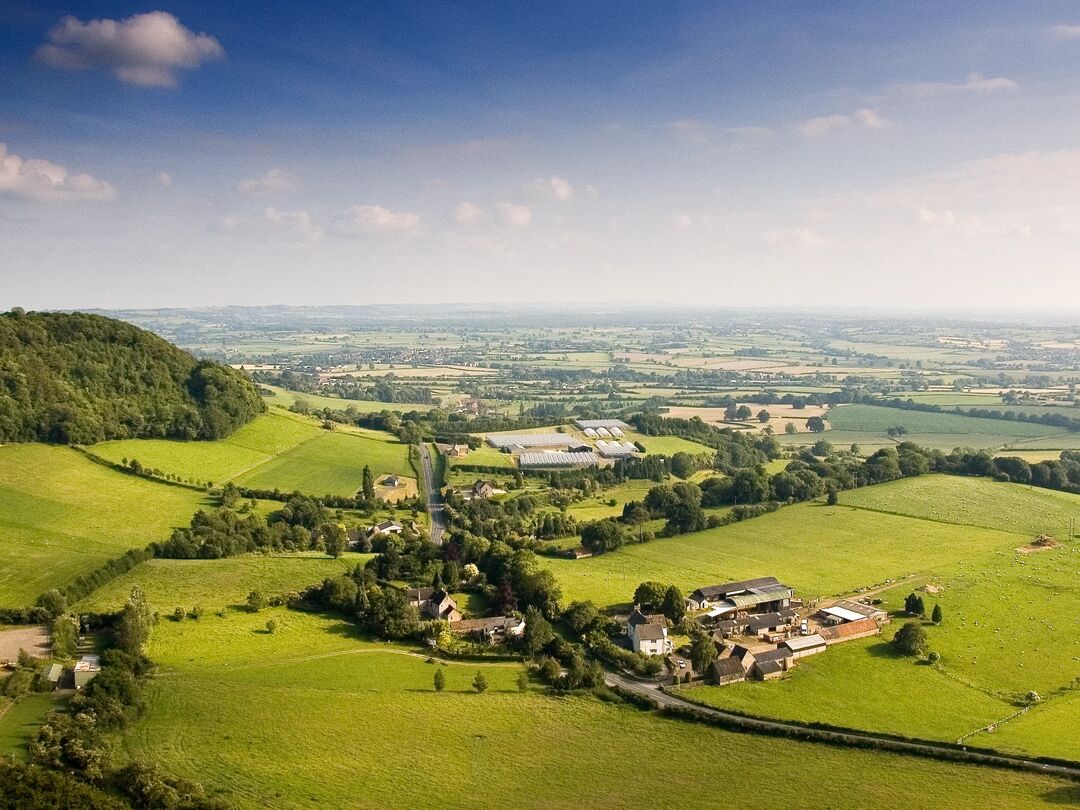
Despite being relatively small in size, the West of England is a region of remarkable contrasts: from the World Heritage Site of Bath to the internationally important Severn Estuary, the rolling hills of the Cotswolds and the Mendips national landscapes.
Our region contains ancient woodlands, species-rich grasslands, lakes, rivers, saltmarshes, and mudflats, and is home to rare, threatened, and endemic species.
Swipe or click the arrows to understand the state of our landscape and habitats →
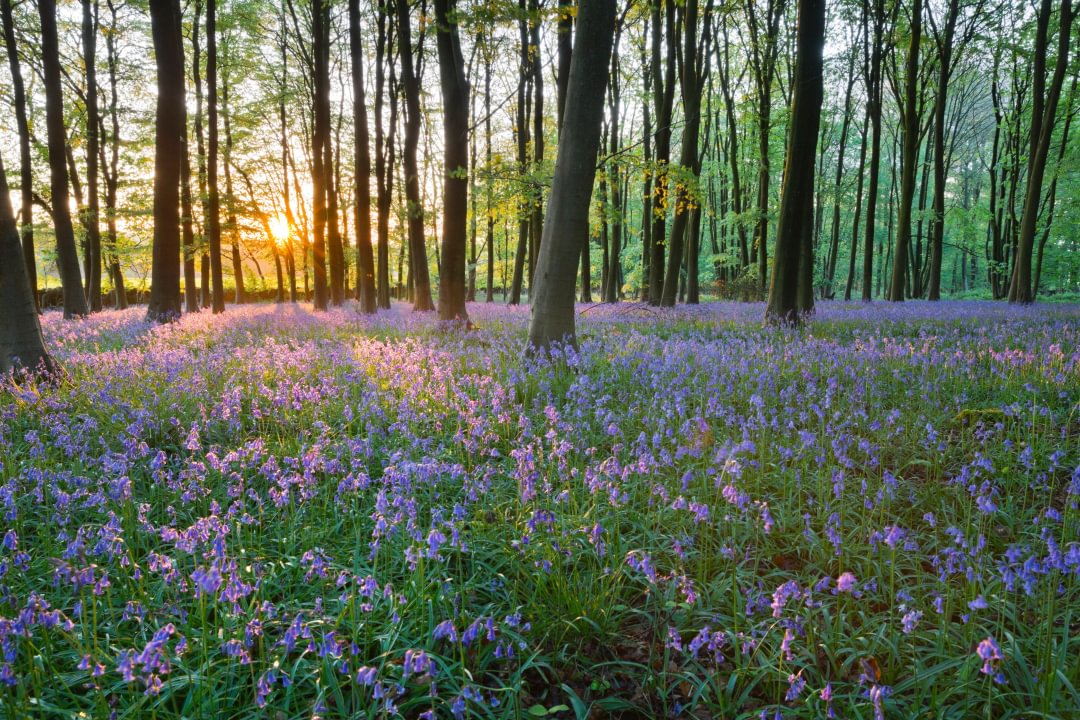
Our woodlands are home to countless species, and help us by filtering our water and air, and providing shade and timber.
West of England woodland cover stands at just 7.5%, below the UK average of 13.5% and well below Europe’s 38%. Our woodlands are mainly broadleaved, and around one fifth is ancient. Around 45% of our woodlands are actively managed and total woodland cover has remained relatively stable in recent decades.
Our woodlands are facing several interconnected pressures including a changing climate, ash dieback, and overpopulations of deer. Several butterfly and moth species associated with woodlands are becoming a rarer sight locally including Blair’s shoulder-knot moth, marbled beauty moth and ringlet butterfly. Declines are also being seen in several woodland bird populations, mirroring national trends. Woodland-associated bats show a mixed picture with the noctule bat in decline but the greater horseshoe increasing.
Larger woodlands that are connected, with more layers and diversity will have greater resilience to threats, and therefore it is critical that better woodland management to achieve this is supported and incentivised.
The launch of the Western Forest is a big step towards restoring and reconnecting our woodlands. Restoring 1,500 hectares of existing woodland and planting 2,500 hectares more will transform the landscape of the West of England and surrounding counties on a scale not seen for generations.
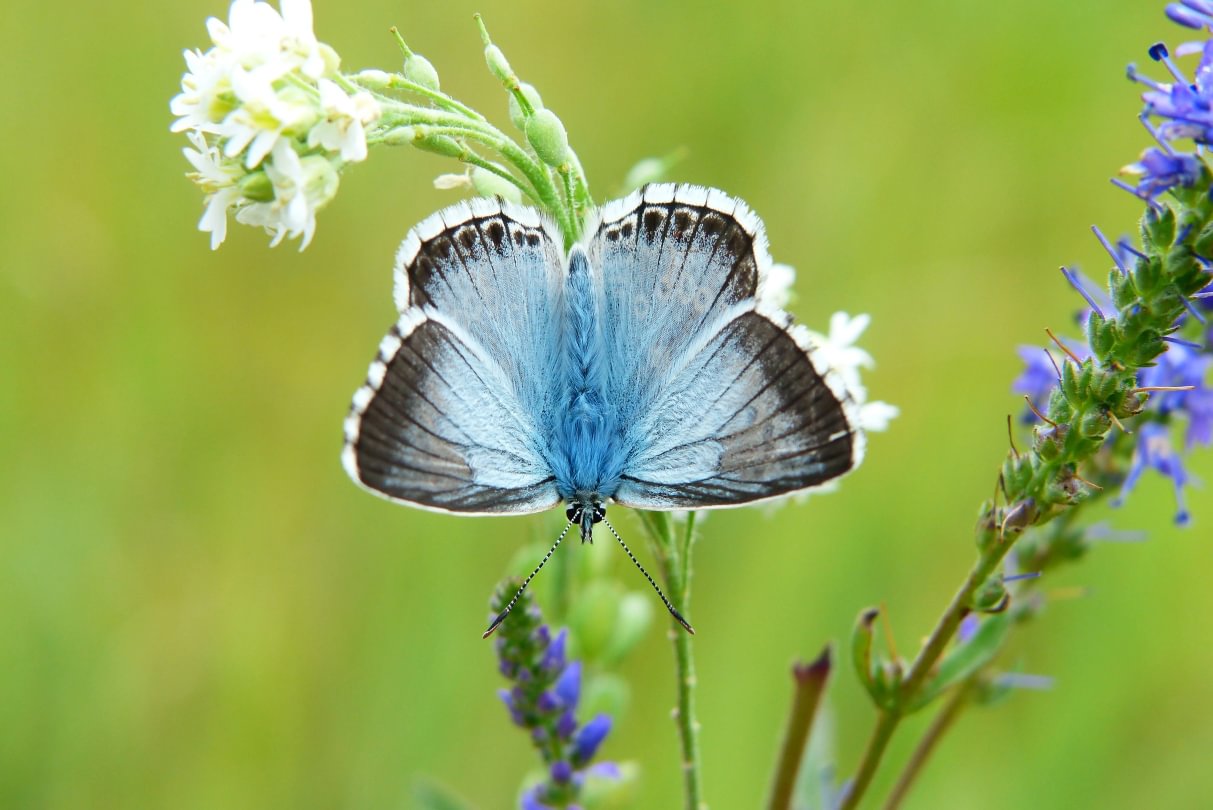
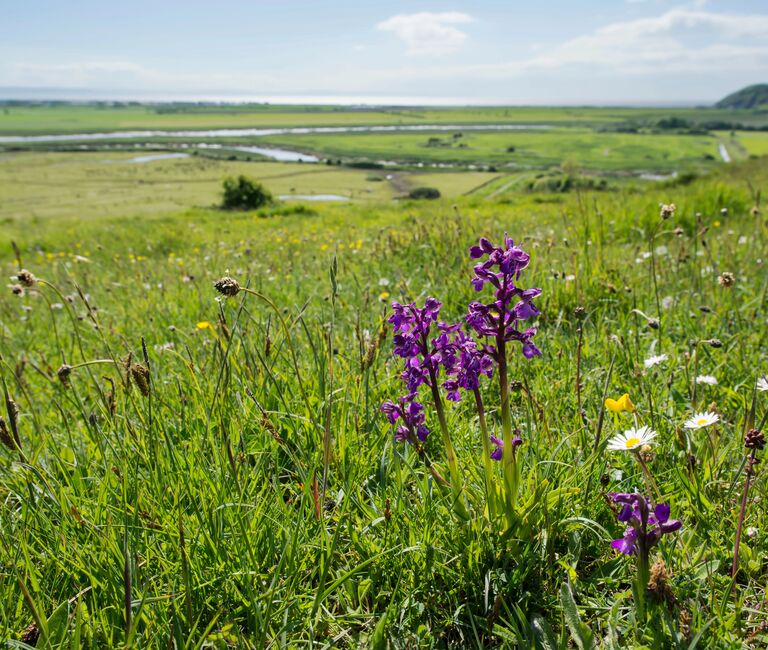
Grassland is the dominant habitat type across much of the West of England but its quality and value to wildlife varies considerably. Just 1.55% of the West of England’s area is priority grassland, most of it lowland calcareous grassland. Important surviving areas include Bathscape, Lower Woods, around Chew Valley Lake, and the North Somerset Levels and Moors.
While historic regional data is limited, the UK’s grasslands have suffered from significant losses since the 1940s due to development, agricultural intensification, inappropriate management, woodland expansion, and neglect. Efforts should be made to restore species-rich grassland through careful cutting regimes and conservation grazing.
Photo credit: Krzysztof Niewolny
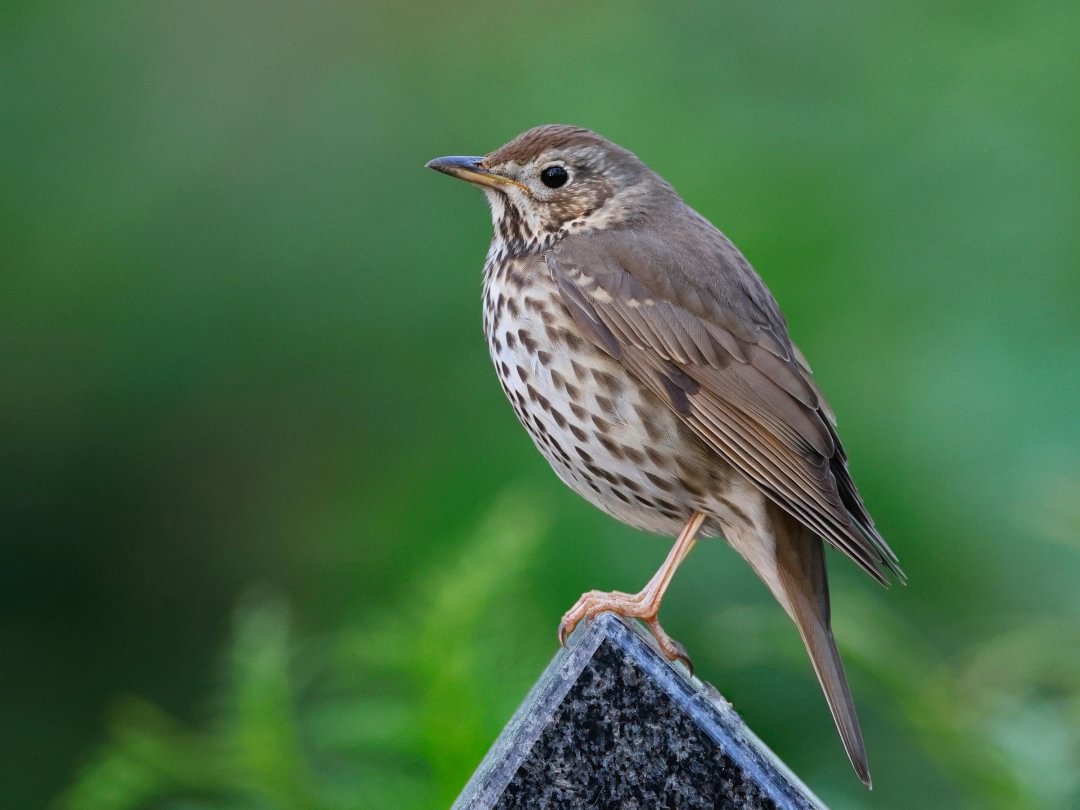
30% of the grassland associated butterfly species analysed are declining, including chalkhill blue, ringlet and small blue butterflies. Forty-seven percent of grassland associated birds that we analysed are declining including rook and starling. Modern grassland management is often cited as a key driver for declines in grassland associated birds, as it has made the landscape too uniform and too intensively used.
Photo credit: Steve Nicholls
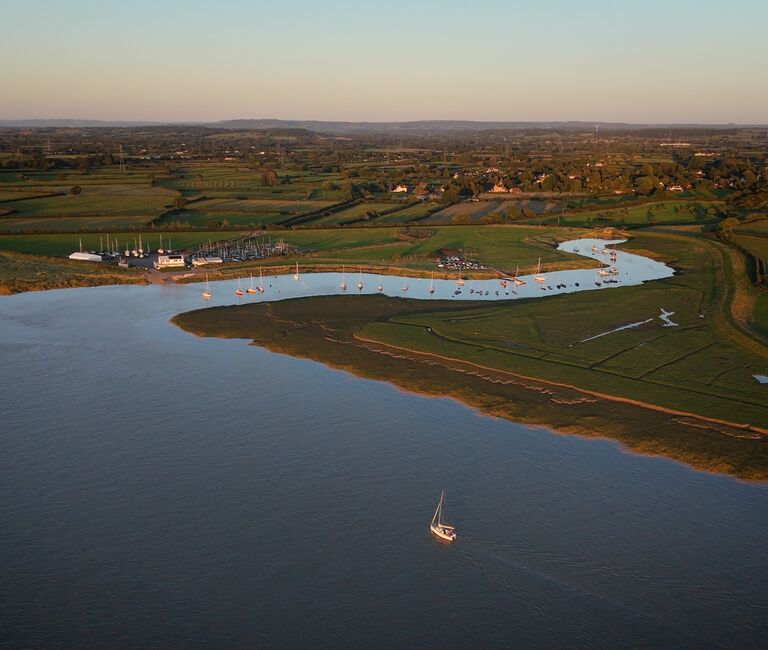
Estuaries are highly productive natural habitats. Their shifting mudflats and saltmarshes link fish breeding and spawning grounds, they shelter migratory birds, and provide abundant food.
The Severn Estuary’s vast mudflats, sandbanks, and saltmarshes support internationally important flocks of wintering and migratory birds and abundant fish. The surrounding levels and moors of North Somerset and South Gloucestershire contain nationally significant areas of lowland peat and grazing marsh habitat, and a National Nature Reserve.
Photo credit: Richard Da Costa.
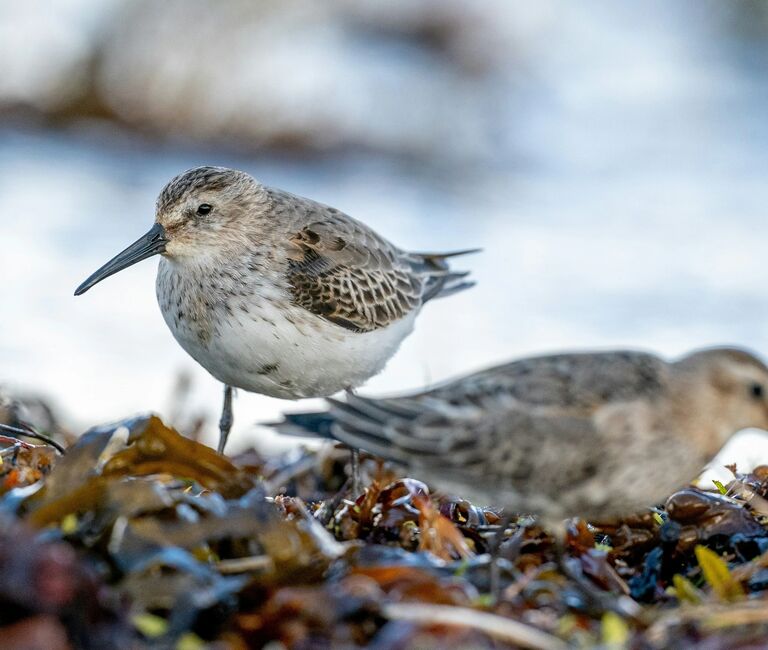
Much of the North Somerset levels and moors were wetlands which have been drained and are now used for agriculture. Sewerage and agricultural runoff are contributing to reduced plant diversity and insect abundance, affecting birds and mammals that rely on these food sources. Invasive species such as Himalayan balsam are an added pressure as they can worsen bank erosion.
Birds such as black-headed gull and little grebe are declining, along with wintering species such as barnacle goose, goldeneye, and wigeons. These trends broadly reflect national concern for breeding waders and wetland birds. Adders, common lizards, grass snakes and slow worms are still present but in low numbers, and there is evidence of glow worms returning to some sites.
Photo credit: Bob Brewer.
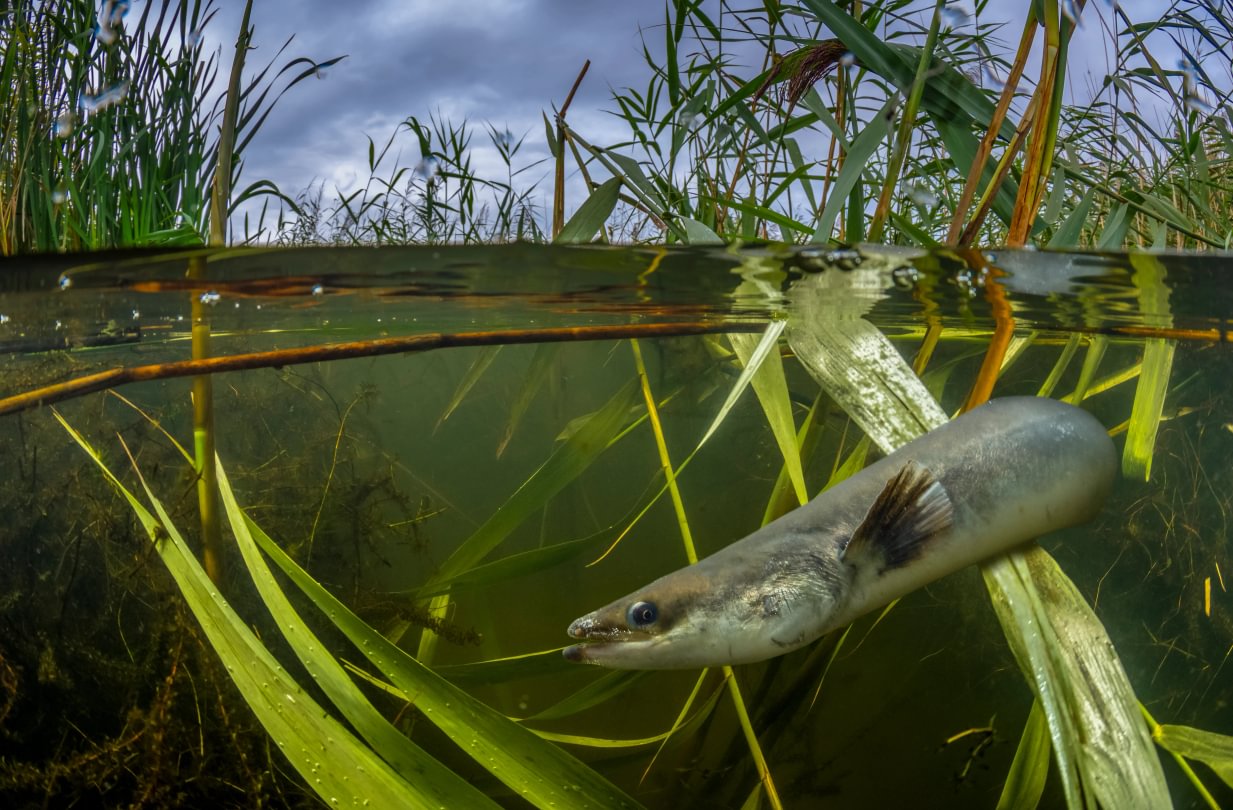
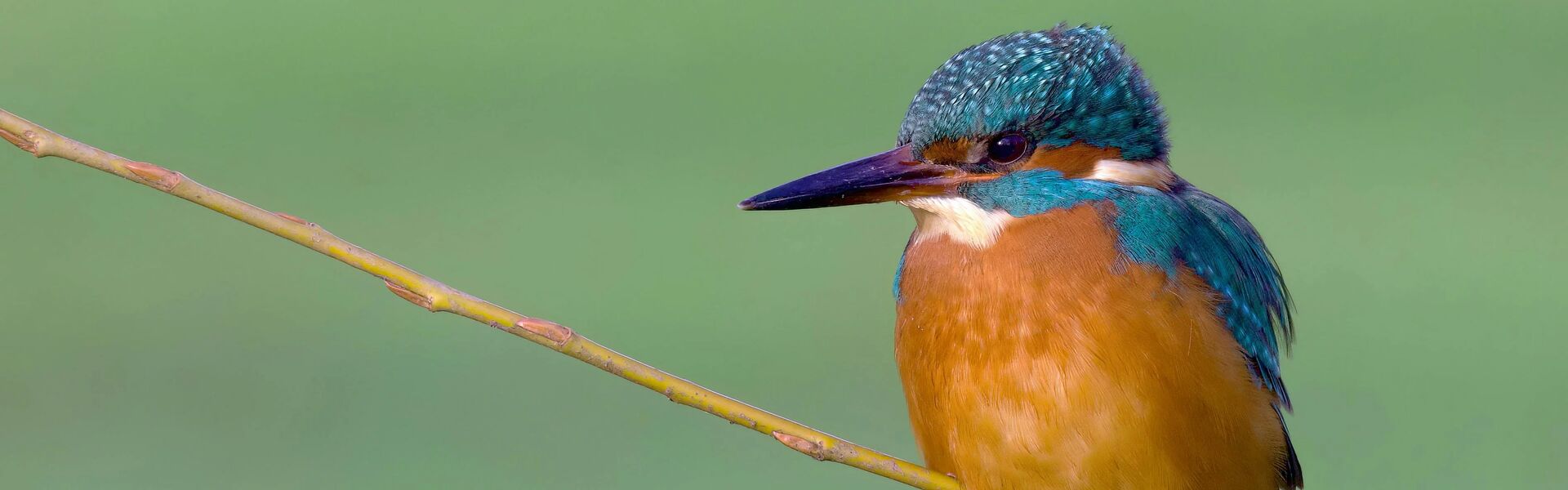
Rivers are ecological arteries allowing species to migrate, find food, spawn, and breed. The River Avon is our defining waterway, supporting sea trout, sea lamprey, and in recent years, endangered Atlantic salmon. Along its course are kingfishers, grey herons, white clawed crayfish, beavers, otters, water voles, scarce chaser dragonflies and white-legged damselflies.
The River Avon has been straightened, dredged, and confined for navigation, industry, and agriculture. Hundreds of barriers, such as weirs and culverts, prevent fish migrating to spawning and feeding areas. Some progress has been made in removing a few of these obstructions, but much more is needed.
Photo credit: Neil Aldridge

Since 2019, none of the region’s rivers have met good chemical status under the Water Framework Directive and only 12% achieved good ecological condition. Litter, urban runoff, agricultural runoff and sewage discharges are a major pressure on river health, with climate change intensifying the problems.
Overall, river health remains poor and requires sustained, catchment-scale restoration. Progress is underway: since 2016, the Bristol Avon Catchment Partnership Fund has supported 29 partnership projects. In 2023, the Bristol Avon Rivers Trust improved 16.9km of rivers and created five wetlands. Whilst incredibly valuable, these efforts remain small-scale compared to the extent of restoration needed.
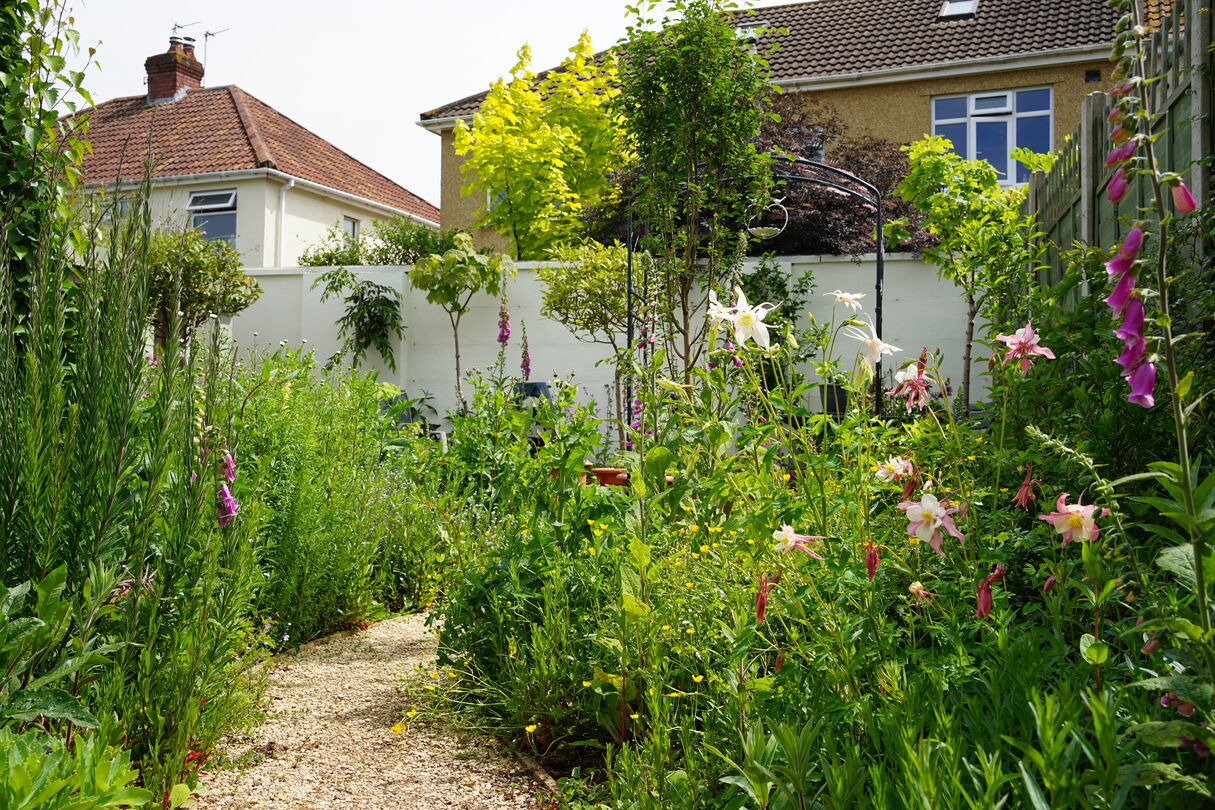
While urbanisation is a leading cause of biodiversity loss, urban areas can still be surprisingly biodiverse. Green spaces in urban environments are often the most accessible natural spaces for people, bringing nature to those who might otherwise be unable to access it.
The West of England’s urban areas have grown 10% since 2012, and 7,750 homes are expected to be built every year over the next decade, alongside new transport links. Whilst urban areas can be biodiverse, urbanisation can mean natural habitat loss, soil damage, increased runoff, splintered habitats, and increased levels of light, air, and noise pollution.
Photo credit: WENP
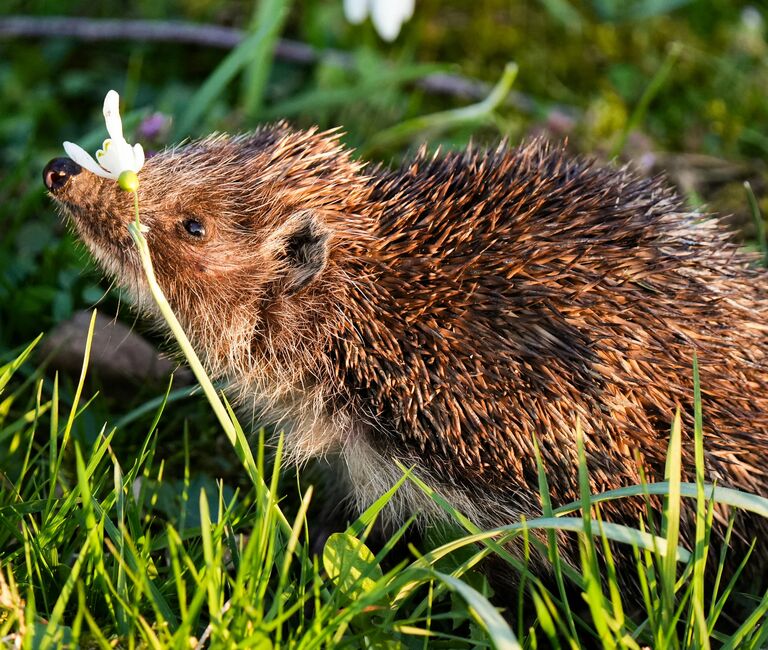
Generalist, adaptable species, including red foxes, brown rats, and magpies, tend to thrive in urban areas, taking advantage of food scraps in bins and on streets. Our analysis shows the red fox is likely to be increasing, and hedgehog numbers are stable. Garden birds overall are declining, although garden bird feeding appears to be boosting goldfinch numbers. We need more data to understand the picture for urban-associated insects, but the national picture appears to be complex.
With careful design and planning, we can build better places, with sustainable communities supported by nature.
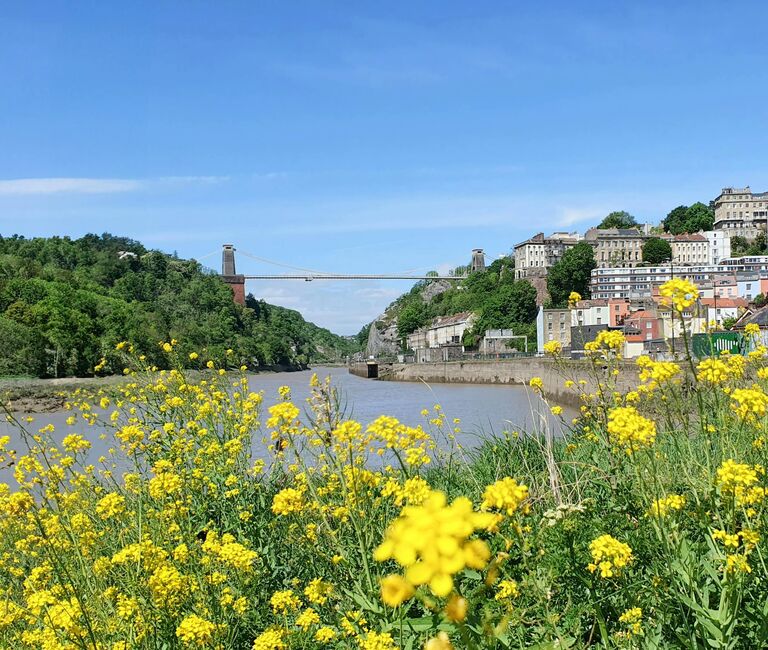 Image credit: Smartimages
Biodiversity loss, ecosystem collapse and climate change are multi-generational challenges that will require a societal response - now and into the future. This report shows a region at a crossroads. It tells us that our wildlife is holding on, often in fragmented and strained habitats, but that with the right interventions we can stop declines and tip the balance towards recovery.
Nature recovery cannot be delivered by any single organisation. It depends on a shared commitment across the region. Our vision is for a region where nature is woven back into the fabric of everyday life - we want the West of England to be a place of re-connected landscapes, where people and nature can thrive side by side, through a joined-up network of natural habitats and wildlife corridors, and greener, more resilient neighbourhoods - wherever we live.
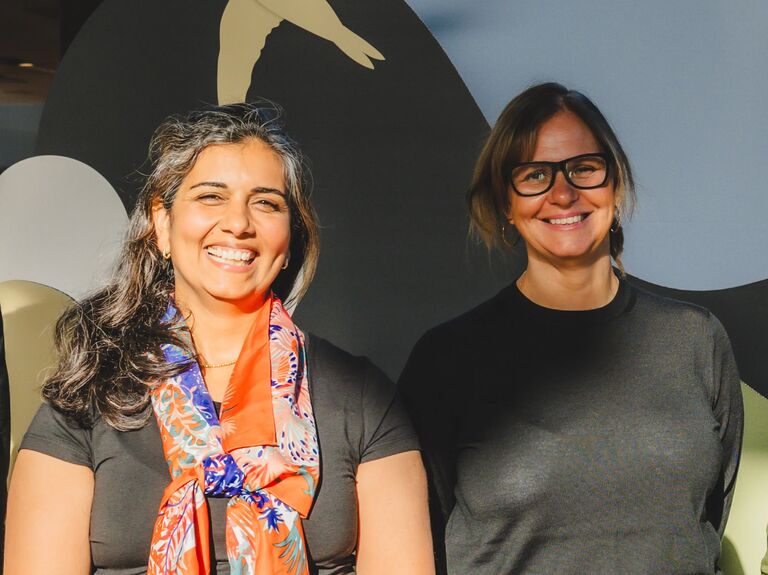
“The task ahead is to turn this momentum into delivery at scale. That means working differently: aligning growth with nature recovery, unlocking new sources of investment, and embedding nature into the decisions that shape our places and our economy. If we get this right, the prize is significant. We will have a more resilient, more prosperous region, where communities are healthier, businesses are stronger, and nature is recovering. Together we can all shape that future.”
Helen Godwin, Mayor, West of England Mayoral Combined Authority, and
Sumita Hutchison, Chair, West of England Nature Partnership
Continue to


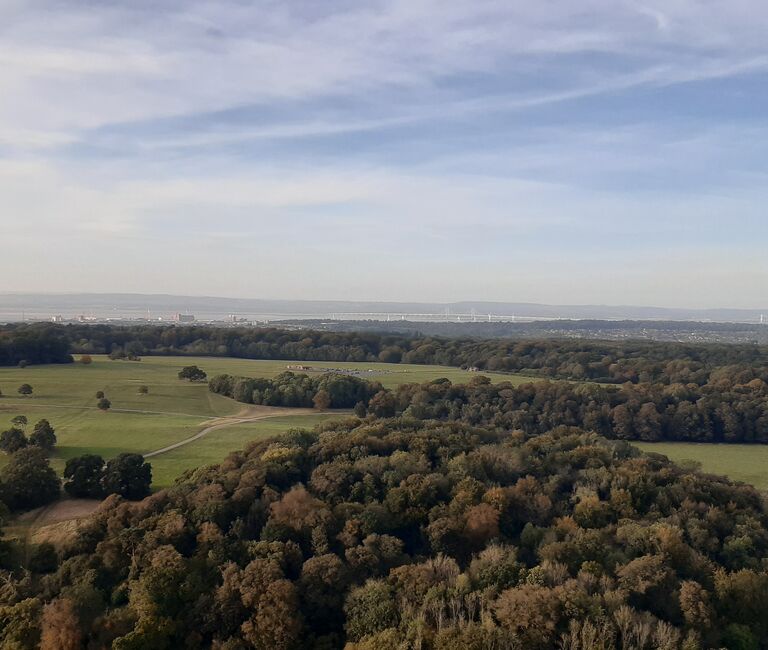 Image credit: Jon Chamberlain Visit West