Iron Acton Garden Centre: growing a greener future
Investing in sustainable infrastructure, Iron Acton Garden Centre is finding environmental responsibility and commercial success can grow hand in hand.
Driving tangible improvements
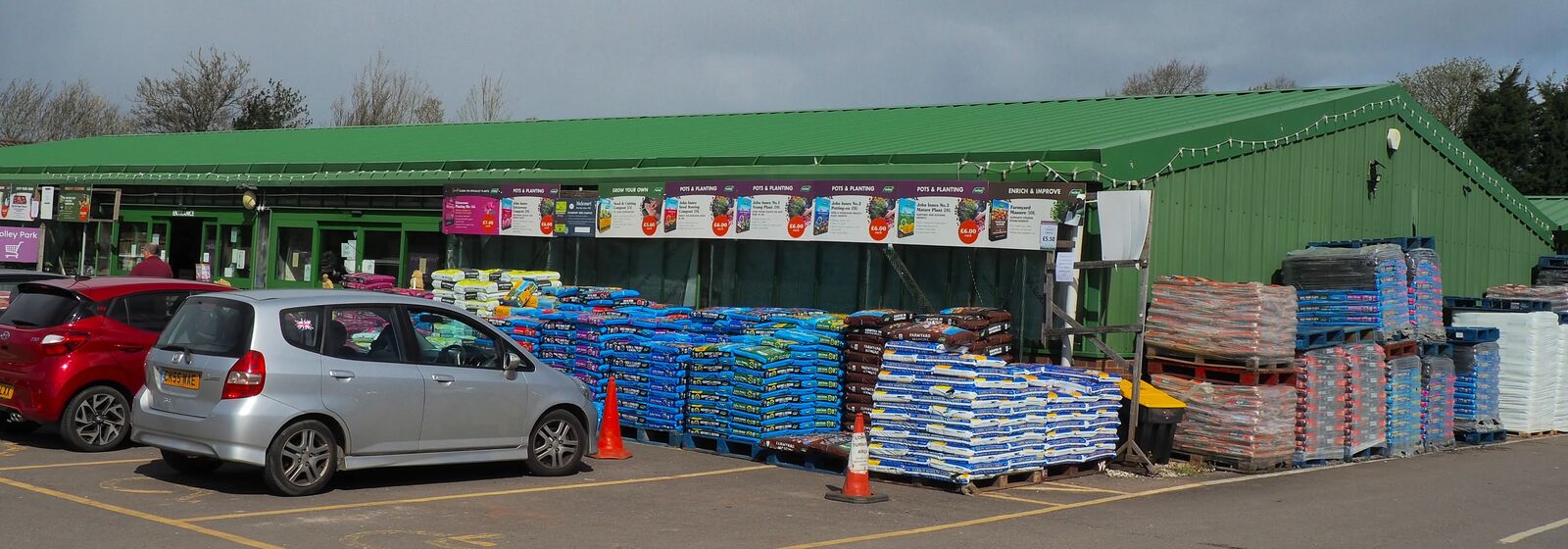
Started as a family business, Iron Acton Garden Centre near Yate has been a popular local destination for many years. While its seasonal offerings continually evolve, the same couldn’t be said for their ageing polycarbonate roof. Expensive to heat, impossible to cool, and prone to leaking during heavy rain, it created an uncomfortable environment for both customers and staff.
As part of a broader commitment to sustainability, the business introduced a series of green upgrades. LED lighting replaced outdated fixtures, and gas-powered kitchen equipment for the café was swapped for electric alternatives. However, the inefficient roof undermined progress on their green journey.
With a strong case for the environmental and financial benefits of a replacement, a Green Business Grant from the Mayoral Combined Authority contributed £15,000 towards making the project achievable.
Creating a brighter, more efficient future-ready space
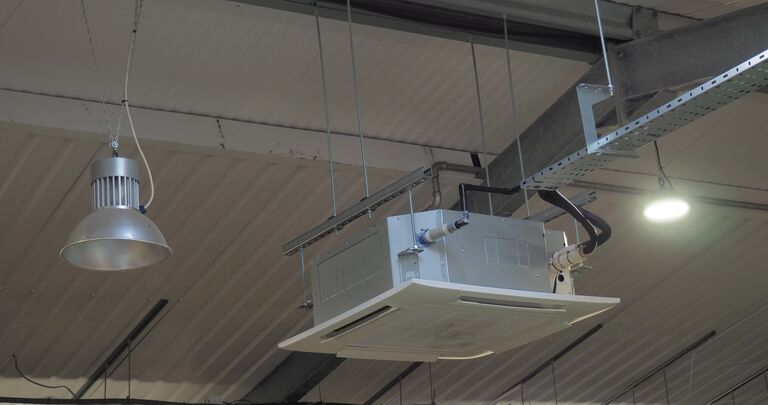
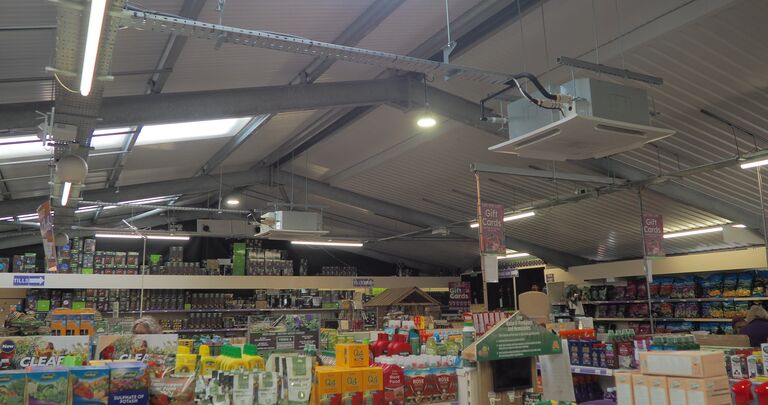
Over a three-week period in August 2025, the transformation took place. The roof was replaced in carefully planned sections, with sales areas temporarily repositioned to minimise disruption to trade. The new structure not only improves insulation and comfort but is also strong enough to support future solar panel installation. With less temperature fluctuation to deal with, inefficient oil heaters have been replaced with air conditioning. The outcome is an estimated reduction in carbon emissions of over 5 tonnes per year.
Completed in time for winter, the impact was immediate with staff welcoming a warmer, more comfortable working environment. Customers have also been spending noticeably longer in store and without the need to plan around leaks, product layout has been optimised – contributing to increased sales and improved turnover.
Although the financial savings are currently relatively small – slightly more than a £1,000 per year - 90% of the centre’s operations are now powered by electricity, with the benefits set to be fully realised when solar panels cut the need for energy from the grid.
Our colleagues are happy to not only work in a nicer environment, but also see the benefit in phasing out fossil fuels - which is something that we should all aspire to. We still have work to do, but are continuing to work towards our low carbon goals.